

Yajie (Echo) Xu
Yajie’s enduring interest in the power dynamics that shape human societies has guided both her academic and professional journey.
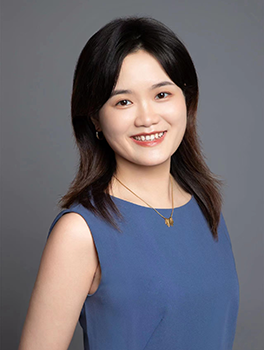
Yajie (Echo) Xu is pursuing a masters degree in international and regional studies (MIRS), specializing in Chinese studies at the U-M Ann Arbor. Her research focuses on grassroots Sino-African interactions through anthropological and feminist lenses. Coming from a rural, working-class background, she is the first in her family to attend college. She brings nearly six years of professional experience in research, international development, education, and marketing across Asia and Africa.
Yajie’s enduring interest in the power dynamics that shape human societies has guided both her academic and professional journey. She has conducted research in diverse contexts: in East Africa and China, observing meaningful connections and racial tensions between the African and Chinese communities; in South Asia and the Middle East, studying the experiences of domestic and migrant workers situated at the intersections of citizenship, race, and gender; and in Southeast Asia, examining Indigenous communities’ struggles with modernization, deforestation, and cultural preservation in the context of global capitalism and domestic politics.
Alongside this work, Yajie has organized public workshops, published articles, designed educational programs, and volunteered for vulnerable communities. Most recently, in the summer of 2025, she conducted ethnographic fieldwork in Nairobi, Kenya, exploring how Chinese businesswomen navigate gendered and racialized power dynamics both within the diaspora community and in their daily interactions with Kenyan society.
Looking ahead, Yajie plans to pursue a Ph.D. in sociocultural anthropology and continue her research on Sino-African interactions. Her long-term vision is to become a publicly engaged anthropologist, using research, knowledge production, and education to bridge divides and foster solidarity across social boundaries.
CEW+ celebrates Yajie’s important anthropological work on race, gender, and class and names her a Margaret Dow Towsley Scholar.